
Is Fresh Pasta Always Better Than Dried? Chefs Settle the Debate
Key Takeaways
- Fresh and dried pasta aren’t competing versions of the same thing—they serve different culinary roles, and neither is universally superior. Fresh pasta is soft, delicate, and egg-rich, while dried pasta delivers firmness, structure, and bite.
- Fresh pasta pairs best with lighter, more refined sauces such as butter, cream, or egg-based preparations, where its silky texture can stand out.
- Dried pasta excels with robust, hearty sauces, thanks to its firm texture and rough surface that grips tomato-based, oil-based, and slow-cooked sauces more effectively.
Walk through any grocery store and the divide is obvious: dry pasta stacked in endless boxes down the aisle, and fresh pasta sitting in refrigerated cases, often at a higher price. The former is a pantry staple for quick weeknight meals, while the latter is frequently reserved for something a little more special. But does that mean fresh is automatically better?
With shapes ranging from spaghetti and penne to ravioli and fettuccine available in both forms, the choice can feel surprisingly complex. To settle the question, chefs break down when each type shines—and how to get the best results from both.
Is Fresh or Dried Pasta Better?
Before picking a winner, many chefs stress a more nuanced truth: fresh and dried pasta are not substitutes, but tools designed for different outcomes.
“Neither is inherently better,” says Brandon Jennings, executive chef and co-founder of Pastaria Vivi. “They’re fundamentally different products designed for different purposes. Fresh pasta and dried pasta have distinct ingredients, textures, and traditions, and the best cooks know when to reach for each one.”
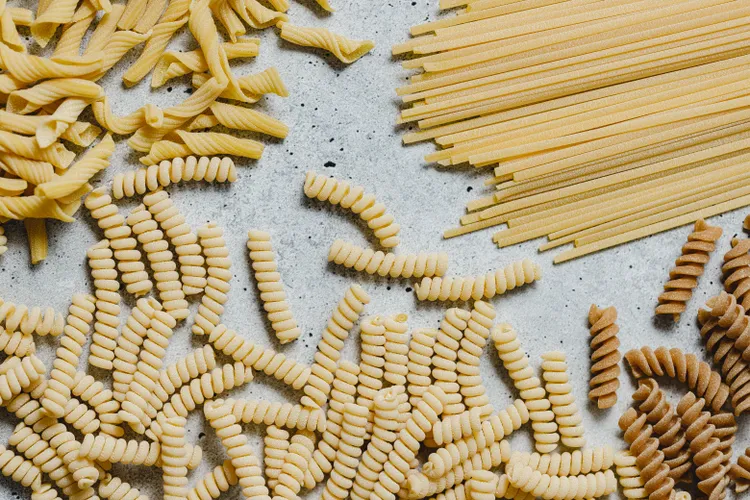
Jennings, whose shop produces fresh pasta in small daily batches, explains the technical divide. Fresh egg pasta typically uses 00 flour and eggs—sometimes with added durum flour—resulting in a soft, almost velvety texture. Dried pasta, on the other hand, is usually made from semolina flour and water, then extruded and slowly air-dried, creating a firm structure and a surface that clings beautifully to sauce.
He also notes that fresh pasta’s “premium” reputation often comes from its labor-intensive nature and short shelf life, which makes it feel more special. Still, he’s quick to defend dried pasta’s place in serious cooking. “Some of the greatest pasta dishes in the world, from cacio e pepe to spaghetti alle vongole, are built around high-quality dried pasta,” he says. In his view, a well-stocked kitchen needs both.
Why Fresh Pasta Sometimes Wins
Some chefs do lean toward fresh pasta when conditions allow. “The best option is always fresh ingredients,” says Ruwan Nalindra, executive chef at Vakkaru Maldives. “Taste-wise, fresh pasta can be superior when properly seasoned and cooked correctly, resulting in a more enjoyable experience.”
However, Nalindra also highlights practical differences. Fresh pasta often contains eggs, while most dried varieties do not. Both usually contain gluten, though gluten-free dried options are widely available.
Shelf life also plays a role—dried pasta clearly lasts longer—but regardless of type, he emphasizes one universal rule: salt the cooking water generously to enhance flavor.
When to Use Fresh Pasta
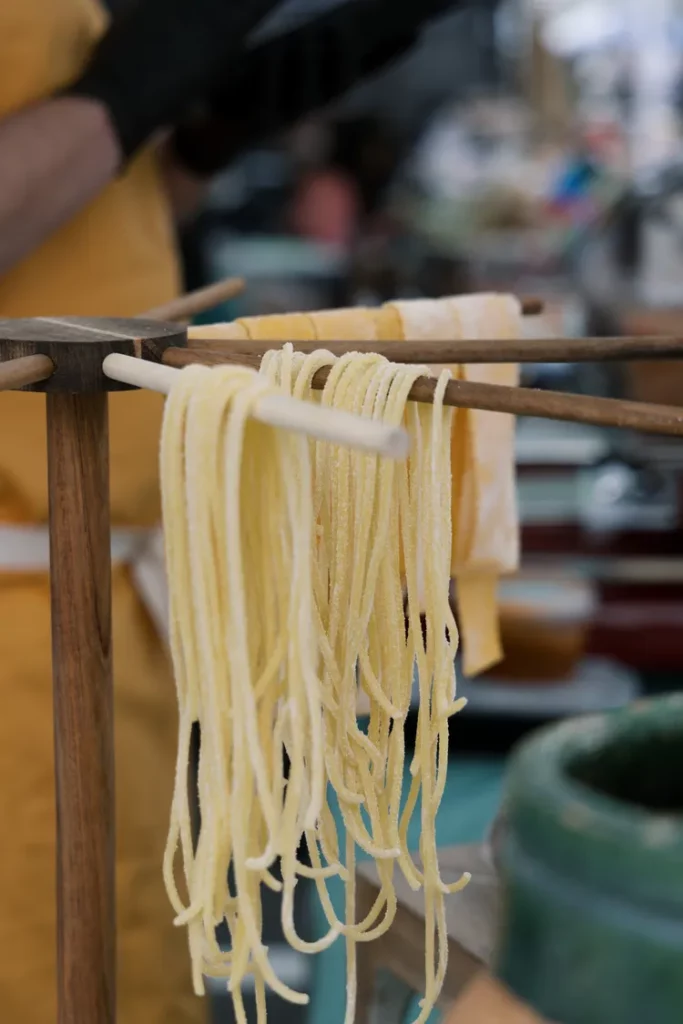
Fresh pasta thrives in dishes where softness and subtlety are the goal. “Fresh pasta shines when the dish calls for a tender, delicate texture, and you want the pasta itself to be front and center,” says Jennings.
He points to egg-rich shapes like tagliatelle, pappardelle, and fettuccine, especially when paired with butter-based or cream-based sauces that complement rather than overpower the noodle.
Ideal pairings include brown butter and sage, Alfredo, carbonara, and truffle butter. Fresh pasta is also essential for filled varieties. “Ravioli, tortellini, and cappelletti must be made fresh,” Jennings explains, noting that dried versions simply cannot replicate the same pliability needed to seal fillings properly.
Another advantage is speed: fresh pasta cooks in just a few minutes, making it faster than dried when pre-prepared.
Tips for Best Results (Fresh Pasta)
Quality matters. Jennings advises looking for fresh pasta made in small batches with high-grade flour and eggs, rather than mass-produced versions sitting in packaging for extended periods. Freshly made pasta tends to deliver better texture and richer color.
If storage is necessary, Nalindra suggests using fresh pasta within 2–3 days when refrigerated, or freezing it for up to a month.
When to Use Dried Pasta
Dried pasta, meanwhile, brings depth and structure that fresh versions can’t always match. Jennings points to the slow drying process, which subtly transforms the flour and develops a more complex, slightly nutty flavor.
“Dried pasta is better any time you need structure, a toothsome bite, and a surface that really holds onto a hearty sauce,” he says. “This is the workhorse of the Italian kitchen.”
Tomato-based sauces—like marinara, arrabbiata, and pomodoro—cling especially well to its rough surface. Oil-based dishes such as aglio e olio also benefit from its firm bite, where texture becomes part of the experience.
Dried pasta also performs better in dishes requiring heavy tossing or emulsification, such as cacio e pepe, where released starch helps build a creamy sauce. In contrast, fresh pasta can be too delicate for vigorous mixing.
He also favors dried shapes like penne, rigatoni, or tagliatelle in baked dishes and slow-cooked ragùs, where structure must hold up under heat and time.
Tips for Best Results (Dried Pasta)
To preserve texture, Nalindra advises against rinsing cooked pasta, which can wash away starch and weaken flavor. Instead, once drained, pasta should be transferred directly to a tray and lightly coated with olive oil if needed to prevent sticking.
Proper storage also matters. Once opened, dried pasta should be sealed tightly—either vacuum-sealed, wrapped securely, or stored in an airtight container—to maintain freshness and quality.
The Bottom Line
Fresh and dried pasta aren’t rivals—they’re different answers to different cooking problems. Fresh pasta offers tenderness and elegance, while dried pasta delivers structure and intensity. The best cooks don’t choose sides; they choose context.